The cold chain is the sequence of temperatures that keeps food safe and worth cooking, from the cold store to the galley. On a yacht the fragile part is rarely the shop’s fridge. It is the quay, the passerelle, the wait for the lift, and the half hour in which chilled boxes sit in the sun while someone looks for the chief steward.
The duty that is written down
Annex II, Chapter IX of Regulation (EC) No 852/2004 tells food business operators that food likely to support pathogenic micro-organisms, or the formation of toxins, is not to be kept at a temperature that might risk health. The cold chain is not to be interrupted. Limited periods outside temperature control are permitted, to allow for preparation, transport, storage, display and service, and only where that does not risk health. The regulation does not set one chilled temperature for every food.
It applies to food business operators. Regulation (EC) No 178/2002 defines a food business as an undertaking, public or private, whether or not for profit, carrying out any stage of production, processing or distribution of food, and a food business operator as the person responsible for meeting food law inside that business. Regulation 852/2004 states that it does not apply to domestic preparation, handling or storage of food for private domestic consumption.
A yacht preparing food only for private domestic consumption, and a yacht supplying food as part of a commercial charter, are not in the same legal position. The classification of a particular yacht belongs with its own advisers. The temperatures that follow are the standard the supply chain is required to work to, and the right standard for a galley that expects food to arrive as it left the cold store.
Fishery products
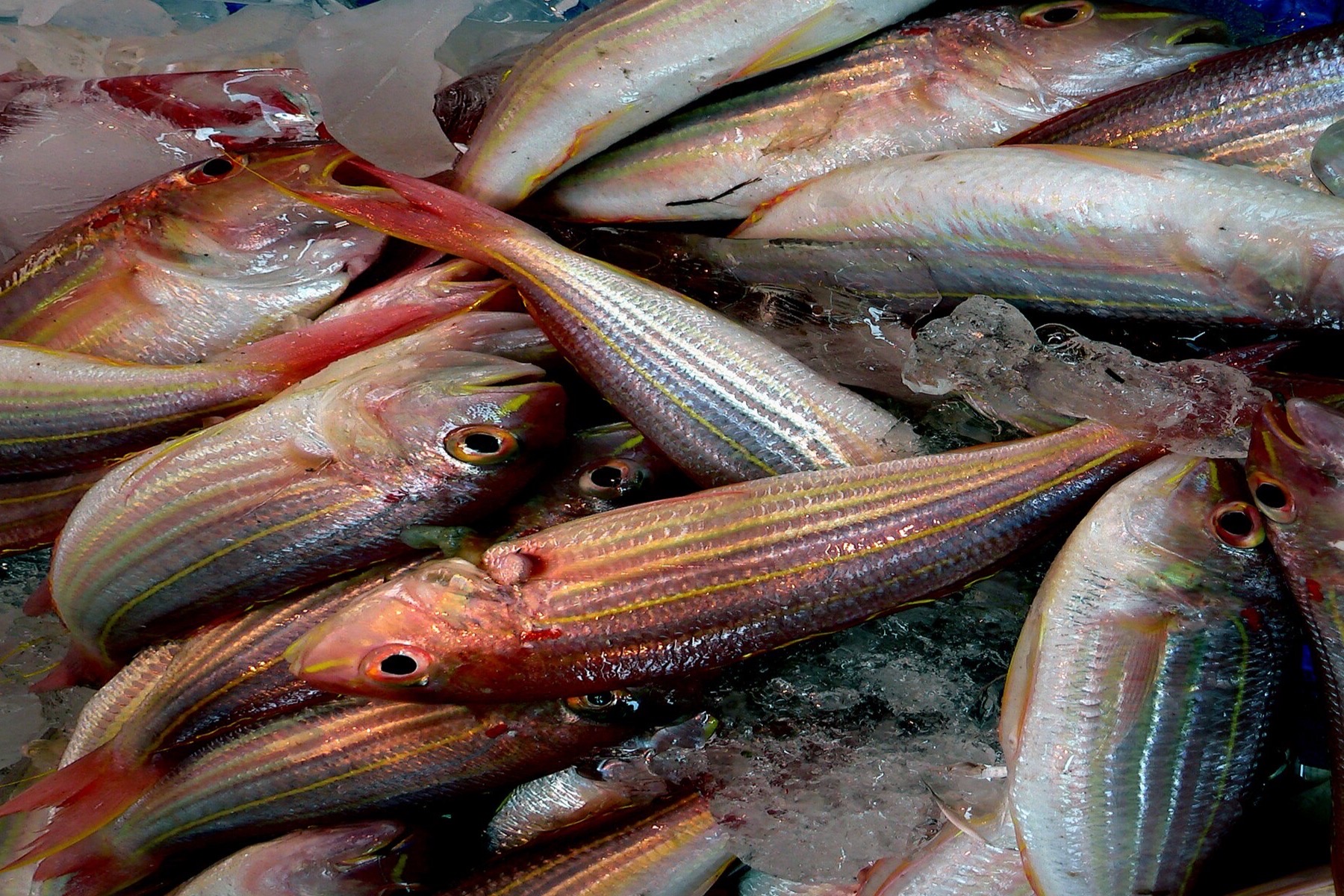
Where Regulation (EC) No 853/2004 applies, the figures are specific. Fresh fishery products are to be maintained, in storage and in transport, at a temperature approaching that of melting ice. Frozen fishery products are to be kept at not more than −18°C in all parts of the product. Whole fish initially frozen in brine and intended for canning may be kept at not more than −9°C. During transport, frozen fishery products are to be held at an even temperature of not more than −18°C, with only short upward fluctuations of not more than 3°C. These requirements are in Annex III, Section VIII, Chapters VII and VIII.
The regulation is written for food business operators. Retail falls within it only where the text says so. Where the operation is confined to storage or transport, the temperature requirements in Annex III nevertheless apply. Fish should arrive in ice, not in warm meltwater. Frozen fishery products should arrive hard, and be refused before they are signed for if they do not.
The hour between the van and the galley
Treat the handover as part of the chain, because the regulation does. A refrigerated van parked in the sun with the doors open is no longer a cold store. Boxes waiting on a hot deck while the dry stores are carried aboard are a period outside temperature control. The regulation permits that period only where it does not risk health, and only for as long as the handling requires.
Agree the order of unloading before the van arrives. Chilled and frozen food moves first, into fridges and freezers that are already cold and not so full that air cannot circulate. Raw food goes below food that will be eaten cold. Fish stays in ice, and the ice is renewed if the passage to the next port will outlast it. Ambient stores can wait.
Frozen food is not one rule
The figure of −18°C above is the rule for frozen fishery products in Regulation 853/2004, subject to the brine exception already noted. Other frozen foods are not brought under that figure merely because they share a freezer. The supplier’s specification is the place to confirm what was agreed for each line. Frozen food should arrive hard, go into a freezer that is already cold, and not soften at the edges while the rest of the delivery is sorted.
For chilled food other than fresh fishery products, Chapter IX of Regulation 852/2004 sets no single temperature. Agree a receiving limit with the supplier, record it on the order, and check it. That limit is an arrangement between the yacht and the supplier. It is not a figure prescribed by Chapter IX.
A receiving note worth keeping
Record three things: the limit you agreed, the condition you found, and the time. A probe in a sample of the chilled delivery, a hand on the frozen boxes, a look at the ice around the fish. Note a substitution in the same place as the line it replaces, because a different species can be an allergen as well as a disappointment. Reject what has already failed, and do it before it is in the fridge, where it becomes the galley’s problem and contaminates what was already sound.
A note of this kind records the handover. Where the yacht is a food business operator, the procedures required under Regulation 852/2004 are a wider obligation, and the note does not take their place. On board, the chain is only as strong as its warmest half hour.
Sources
Regulation (EC) No 852/2004, Annex II, Chapter IX, on the cold chain and limited periods outside temperature control. Regulation (EC) No 178/2002, Article 3, for the definitions of food business and food business operator. Regulation (EC) No 853/2004, Annex III, Section VIII, Chapters VII and VIII, for fishery-product temperatures, including the 3°C transport fluctuation for frozen fishery products.