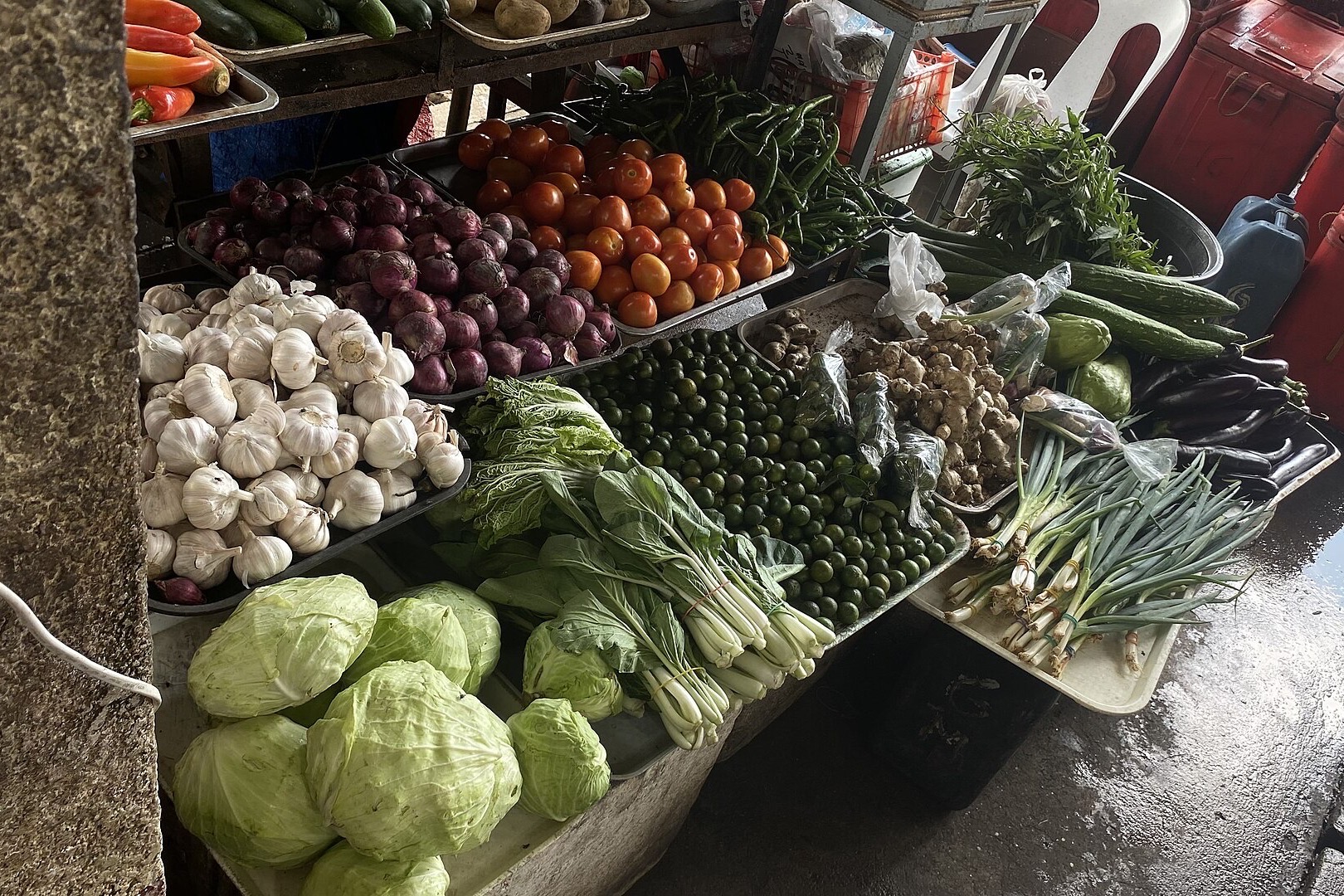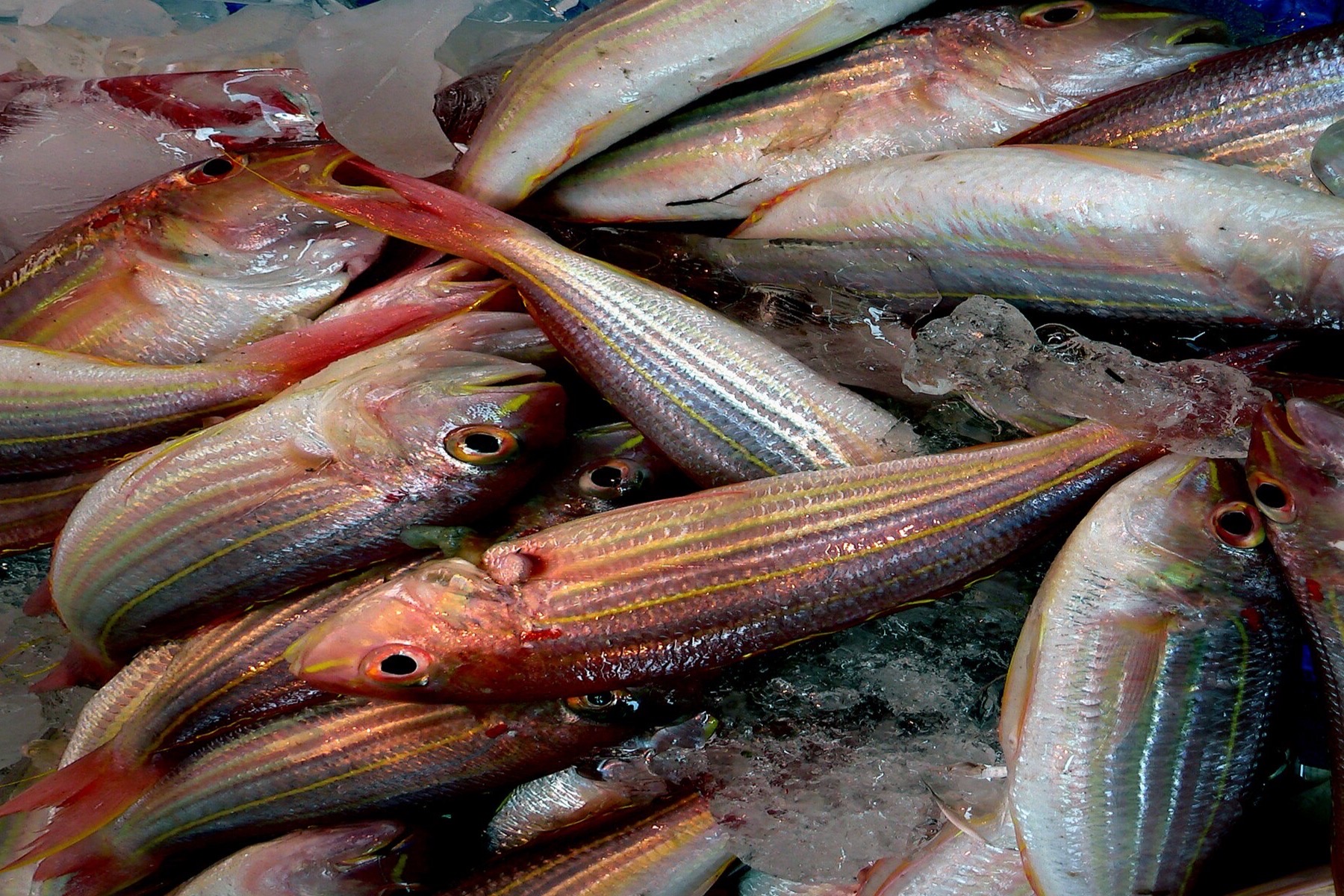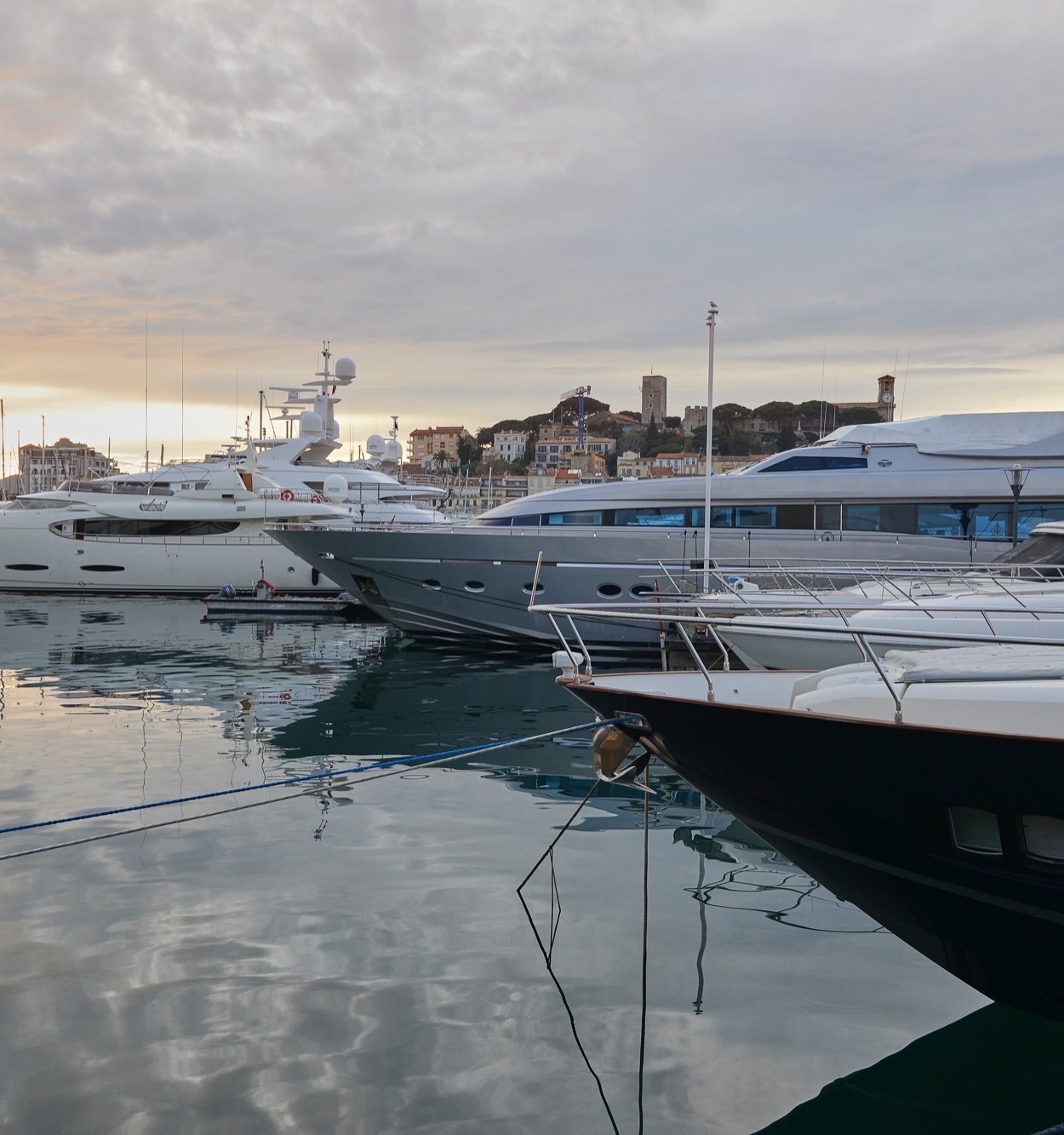
Provisioning is the discipline of fitting a voyage to a galley. On a chart the Mediterranean is one sea. Ashore it is a sequence of markets, opening hours and cold stores, and the order has to survive the difference. This guide is for the chef, the captain, the purser and the manager who decide what comes aboard, and where.
Start with the voyage
The shopping list is the last document, not the first. Before a line is written, establish the number of guests and of crew, the nights on board, the meals that will be taken ashore, the ports where a delivery is realistic, and the room remaining in the fridge, the freezer and the dry store. A list written from appetite alone will not fit the boat. A list copied from the previous charter will not fit these guests.
Those facts belong in one brief that the chef, the purser and the person placing the order can all read. When the itinerary moves, the brief moves with it. A second version, living only in a message thread, is how a yacht ends up with two orders and one fridge.
Several coasts, not one market
A morning in the Vieux Port of Cannes, a market day in Barcelona and a call in the Cyclades do not offer the same fish, the same hours or the same chance of a late substitution. Southern France, the Ligurian and Tyrrhenian coasts, the Adriatic, the Ionian and Aegean, and the Balearics each keep their own wholesale habits. The eastern Adriatic, including harbours such as Split and Dubrovnik, belongs to that geography: the same sea, and a different call from Palma or Barcelona.
Place the substantial order where the market, the supplier and the yacht can actually meet. Treat a quiet anchorage as a place the yacht arrives already stored. In many Mediterranean towns the useful market is a morning market, and Sunday is a thin day for wholesale. August is slower again. Confirm the week in question. Last season’s pattern, carried from one country into another, is an unreliable brief.
Who holds which decision
The chef decides what the galley can cook and what it can still hold. The captain decides where the yacht will be, and when. The purser, or the manager ashore, usually holds the budget, the guest preferences and the relationship with the supplier. A preference for a particular olive oil is a galley decision. A request to be alongside at 07:00 is a bridge decision. A guest who does not eat shellfish has to reach both, before the fish is bought.
Storage is the constraint
Chilled, frozen and ambient food fail in different ways, and they travel better as three lists that happen to share a delivery. Fresh fish and soft herbs are a plan for the next day or two, not for a week at anchor. Frozen stores buy range, if the freezer can take them and if they stay frozen on the way aboard. Dry stores, water and drinks are what carry a yacht between the ports where a real top-up is possible.
Write down what is already on board before adding to it. A full freezer is not a reason to buy the same cut again. An open jar from the previous charter is not a saving if nobody will eat it.
Allergens and the fourteen substances
For food placed on the market, Regulation (EU) No 1169/2011 applies to food business operators whose activities include providing food information to consumers. It covers food intended for the final consumer, including food delivered by mass caterers and food supplied to them, and catering services provided by transport undertakings when the departure is from a Member State. Annex II lists fourteen categories: cereals containing gluten, crustaceans, eggs, fish, peanuts, soybeans, milk, nuts, celery, mustard, sesame seeds, sulphur dioxide and sulphites at concentrations of more than 10 mg/kg or 10 mg/litre expressed as total SO2, lupin, and molluscs. The annex names the cereals and the nuts. Peanuts are a separate category.
For prepacked food the manner of giving that information is closely prescribed. For food offered for sale without prepacking, or packed on the premises at the customer’s request, Article 44 makes the allergen particulars themselves mandatory, and leaves the means to national measures. Those means differ from country to country. The chef still needs the fourteen categories, in writing, before the order is placed, and the guest needs a reliable answer before the plate is served.
Preferences outside the annex belong on the same brief: a dislike, a religious or cultural rule, a medical diet. They are operational requirements, kept beside the legal list so the galley can avoid a mistake the annex will not catch. Whether a particular yacht is a food business operator, a mass caterer or a transport undertaking is a matter for its own advisers. Separately, Regulation (EC) No 852/2004 does not apply to the domestic preparation, handling or storage of food for private domestic consumption.
What to confirm on the day
Ask for the delivery in the condition the galley expects to store it. Chilled food should still be chilled, frozen food still hard, fish still in ice, and raw food separated from food that will be eaten cold. The reasons are set out in the companion piece on the cold chain. On the quay, confirm a substitution before it is accepted. A different cheese is a culinary decision. A different fish may be an allergen decision.
A short order of questions
- How many guests, how many crew, and is the crew mess separate?
- Which meals are on board, and which are ashore?
- What can the fridge, the freezer and the dry store still take?
- Which of the fourteen allergen categories apply, and which other requirements?
- Which port can supply the main order, and what has to last until then?
- What is already on board from the previous charter?
Answer those, and the list becomes a document someone else can check.
Sources
Regulation (EU) No 1169/2011 on the provision of food information to consumers, including Annex II and Article 44. Cold-chain duties are covered separately under Regulation (EC) No 852/2004 and Regulation (EC) No 853/2004.